The Story of Anza-Borrego Desert State Park
How California’s Largest State Park Came to Be
Anza-Borrego Desert State Park didn’t happen by accident.
It is the result of vision, persistence, and decades of conservation work by people who believed this vast desert landscape was worth protecting—long before most people fully understood its value.
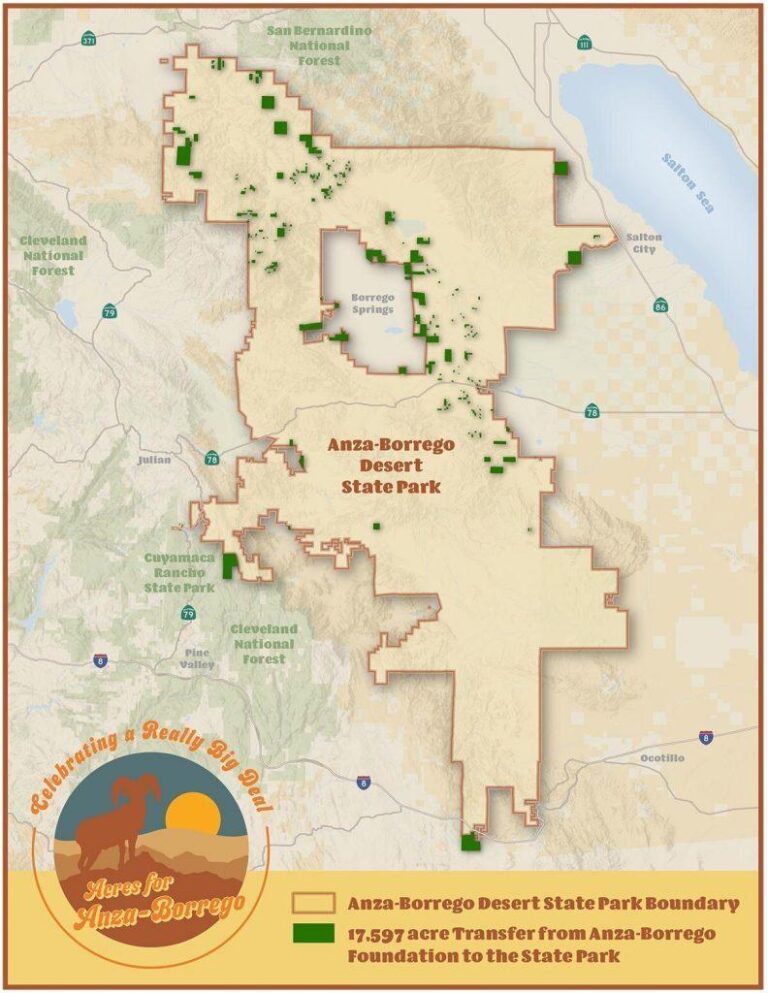
Today, spanning almost 650,000 acres, it is California’s largest state park. But its story begins long before its official designation.
The “Who”: Visionaries Behind the Park
Anza-Borrego Desert State Park was created through the combined efforts of conservationists, state leaders, and local advocates who recognized the importance of protecting California’s desert landscapes.
One of the earliest champions of land conservation in the region was George Marston, a San Diego civic leader often referred to as the “Father of San Diego Parks.” His work helped shape a broader movement to preserve natural open space across the region.
The Park is named for Spanish explorer Juan Bautista de Anza, whose expeditions in the 1700s passed through the region and helped establish routes between Mexico and California and the Spanish word “borrego,” meaning bighorn sheep.
In 1933, the State of California formally established the Park. Over the following decades, it expanded through land acquisitions, conservation planning, and continued community support.
Why Was Anza-Borrego Desert State Park Created?
Anza-Borrego Desert State Park was created to protect a rare and fragile desert ecosystem that is far more complex than it first appears.
The Park preserves:
- Critical habitat for desert wildlife, including bighorn sheep
- Vast badlands with significant fossil records
- Unique plant communities adapted to extreme conditions
- Cultural sites with thousands of years of human history
- Wildlife corridors that allow species to move across large, connected landscapes
- Rare and fragile desert ecosystems, including palm oases and groundwater-dependent habitats
- One of the most intact desert watersheds in California
- Exceptional geological features shaped over millions of years, including canyons, washes, and fault lines
- Some of the darkest night skies in the United States, protected from light pollution
- Natural soundscapes as a designated Quiet Conservation Area, offering rare opportunities for silence and solitude
- Scenic vistas and expansive open space that define the desert experience
Without protection, these landscapes faced threats from development, mining, and unregulated use. Creating the Park ensured that this desert would remain intact, connected, and protected for future generations.
How Was Anza-Borrego Desert State Park Established?
Unlike many parks, Anza-Borrego was not created all at once. It was built over time through strategic land acquisitions, state investment, and partnership with us.
This long-term approach allowed the Park to grow into the vast, continuous landscape we see today. Protection of the Park is still ongoing, as efforts continue to preserve wildlife corridors, cultural resources, and sensitive habitats.
Timeline: Key Dates in Anza-Borrego Desert State Park History
Pre-1700s–Present
Indigenous peoples including the Kumeyaay, Cahuilla, and Cupeño have lived in and maintained deep cultural connections to this region for thousands of years. While traditional village life within the desert shifted following European colonization in the late 1700s and 1800s, these communities continue to maintain cultural, spiritual, and ancestral ties to the land today.
1774–1776
Juan Bautista de Anza led expeditions through the region, establishing an overland route between Mexico and California.
1933
Anza-Borrego Desert State Park was officially established by the State of California.
1940s–1960s
The Park expanded significantly through land acquisitions and conservation planning, growing into one of the largest protected desert landscapes in the state. Anza-Borrego Foundation was founded in 1967 to conserve land for the Park.
1970s–Present
Ongoing conservation efforts continue to protect land, wildlife corridors, and cultural resources through collaboration with us. To date, Anza-Borrego Foundation has conserved almost 58,000 acres.
Today
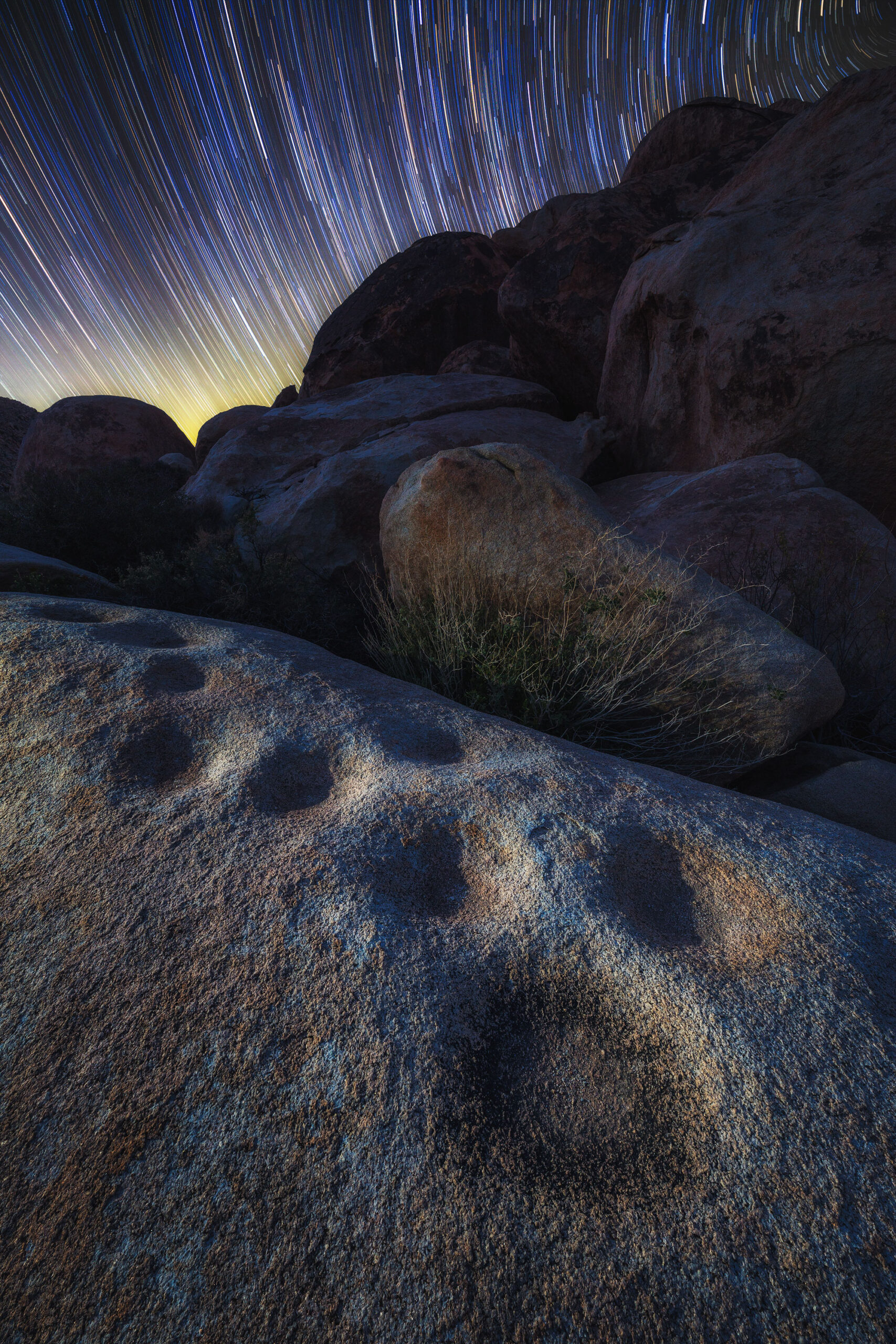
Anza-Borrego Desert State Park spans 650,000 acres and is recognized as one of the most important desert conservation landscapes in North America. It is also designated as an International Dark Sky Park, offering some of the best night sky viewing in California.
Why Anza-Borrego Still Matters Today
The creation of Anza-Borrego Desert State Park was just the beginning.
Protecting this landscape requires ongoing effort through conservation, education, and community support. From preserving wildlife habitat to connecting people with the desert through programs and experiences, the work continues every day.
Be Part of Anza-Borrego’s Story
Anza-Borrego exists today because people chose to protect it.
That work continues—and you can be part of it.
By supporting the Anza-Borrego Foundation, you help protect land, fund education and research, and ensure this desert remains whole for generations to come.
Join us as an Anza-Borrego Angel with a monthly gift and help protect the desert every day.