Thanks to funding from Elwyn Heller Foundation of San Diego, the 2026 Anza-Borrego Foundation Teacher Symposiums brought together inspiring groups of educators for immersive, place-based learning experiences at the Steele/Burnand Anza-Borrego Desert Research Center, located within Anza-Borrego Desert State Park. Through two symposiums held in March and April, teachers stepped into the role of learners first, exploring the desert through science, culture, art, and community while building meaningful connections with fellow educators.
Across each multi-day experience, participants learned directly from scientists, naturalists, artists, historians, and cultural experts who shared perspectives on the region’s ecology, geology, Indigenous history, and restoration work. Guided hikes, field explorations, and hands-on workshops gave teachers opportunities to experience the landscape firsthand while discovering new ways to bring curiosity-driven learning into their classrooms.
Teachers consistently spoke about the power of learning in nature and the sense of connection the symposium created. One participant shared, “Being surrounded by nature was an invaluable part of the experience. The option to sleep outside was spectacular!” Another reflected, “The weekend was a nice balance between outdoor active time, listening time to guest speakers, and eating.”
Hands-on creativity was another highlight. Educators praised the arts integration woven throughout the program, with one teacher noting, “The art activities were amazing,” while another shared, “I really enjoyed the art activity, and it would be easy to implement the watercolor journal.” These experiences demonstrated how art can deepen observation, reflection, and engagement with the natural world.
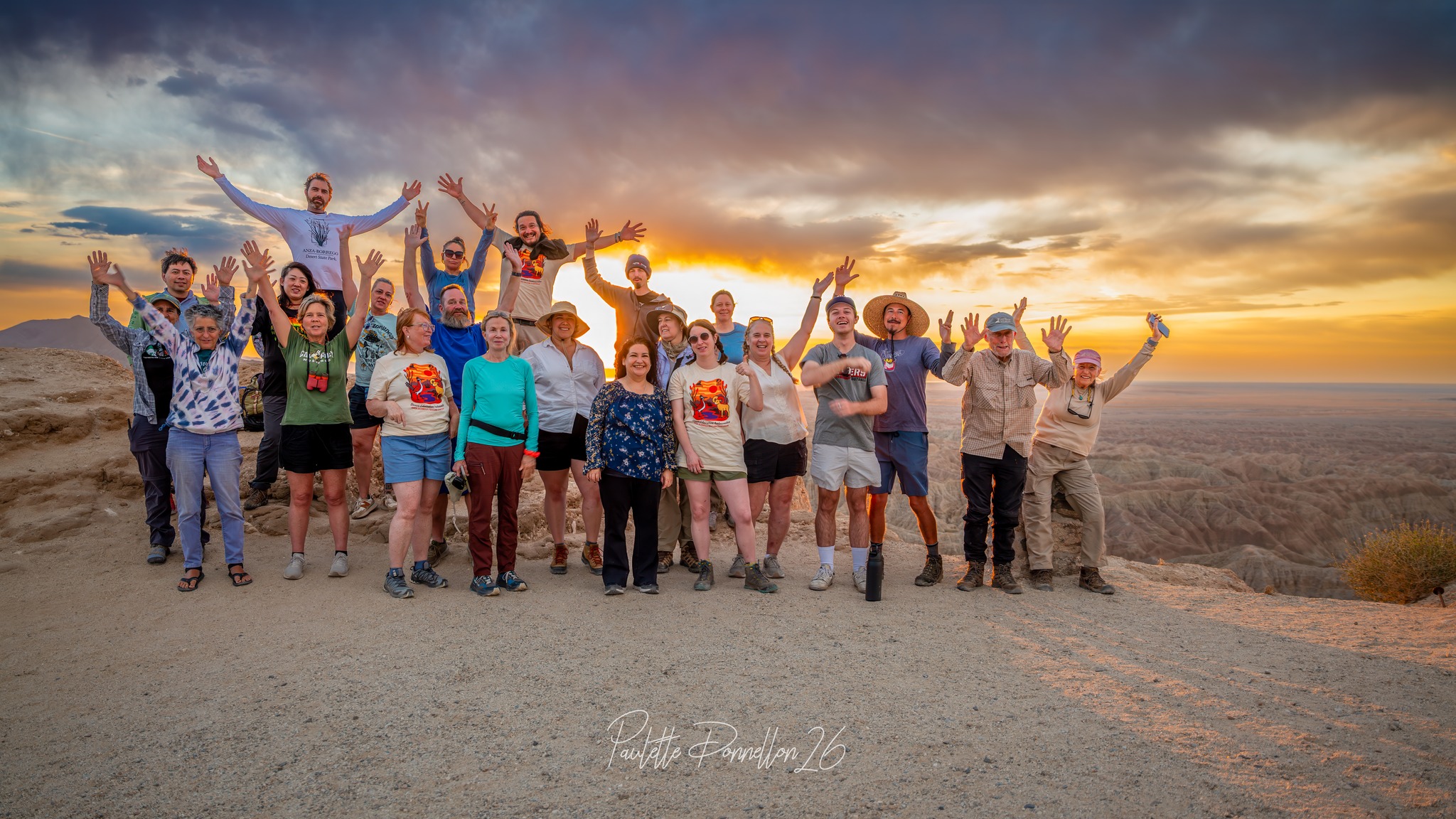
The symposium also inspired practical classroom applications. One teacher said, “I plan to talk with my colleagues about planning to teach our 7th grade science units next year through a native plant/desert lens and bringing the outside to the students.” Another described taking immediate action: “I have already started telling my students about it and we are excited to get the cactus in the ground.”
Participants were equally energized by learning how environmental stewardship connects people, science, and culture. Reflecting on a presentation about parks and restoration, one teacher wrote, “It’s about people, nature, science, and so much more.” Another appreciated hearing how tribal knowledge is incorporated into restoration planning, underscoring the importance of inclusive, place-based education.
Beyond the content itself, the 2026 symposiums offered something equally valuable: renewal. Teachers left feeling inspired, supported, and reconnected to their own sense of wonder. They returned to their schools with fresh ideas, practical tools, and a renewed commitment to helping students build relationships with the natural world. With continued support from generous funders and partners, the Teacher Symposium remains a powerful investment in educators—and in the next generation of environmental stewards.